

.jpg)
.jpg)
Handheld Fiber Laser Cleaning Machine for Rust Removal, Paint Stripping and Surface Preparation
A New Generation Solution for Industrial Surface Cleaning
Surface preparation is an essential process in manufacturing industries such as metal fabrication, automotive, shipbuilding, machinery, and steel structure production.
However, traditional cleaning methods including sandblasting, chemical cleaning, and mechanical grinding often create challenges:
• High labor costs
• Consumable usage
• Dust and waste generation
• Potential damage to the original surface
• Limited cleaning precision
With the development of fiber laser cleaning technology, manufacturers now have a more efficient and environmentally friendly alternative.
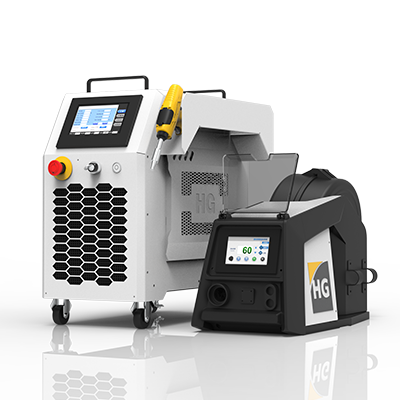
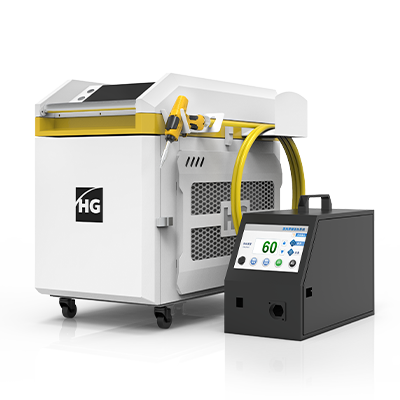
A handheld fiber laser cleaning machine uses a high-energy laser beam to remove rust, paint, oxide layers, oil contamination, and surface impurities without direct contact with the workpiece.
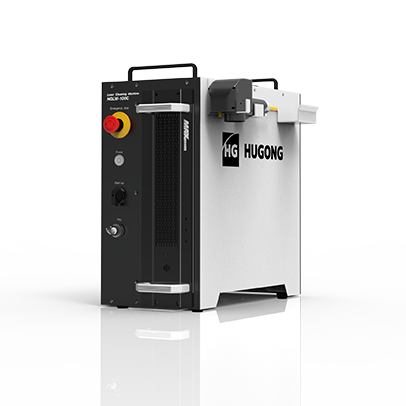
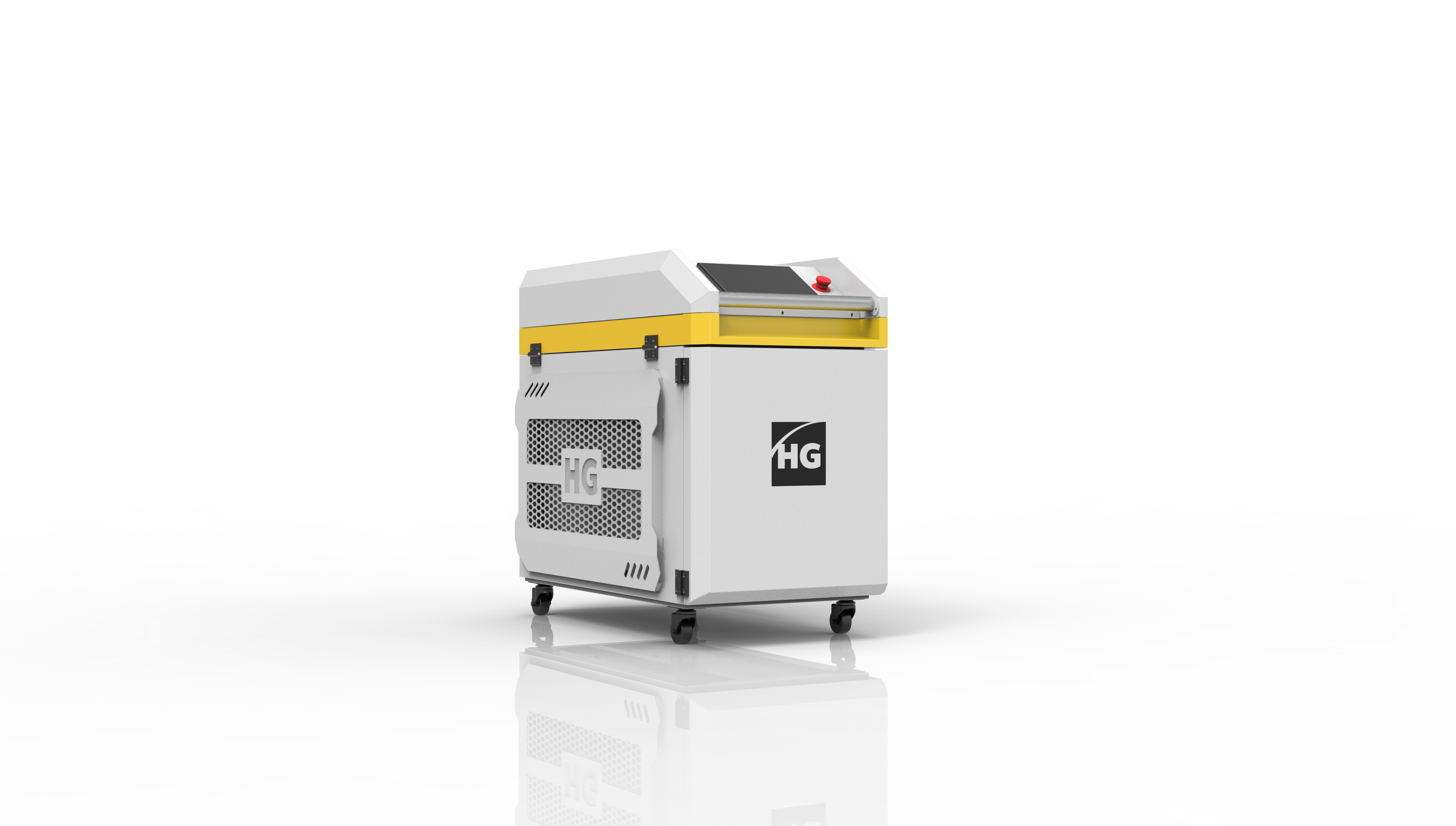
HUGONG HGLC Series laser cleaning machines provide reliable solutions for industrial surface treatment, helping customers improve cleaning efficiency and reduce operating costs.
What Is a Laser Cleaning Machine?
A laser cleaning machine is an advanced surface treatment system that uses laser energy to remove unwanted materials from a workpiece.
During the cleaning process:
1. The laser beam is directed onto the contaminated surface.
2. Rust, paint, oxide layers, and other contaminants absorb laser energy.
3. The unwanted layer is removed through laser ablation.
4. The base material remains protected when proper parameters are applied.
Compared with traditional cleaning processes, laser cleaning provides:
✔ Non-contact operation
✔ High precision cleaning
✔ Reduced surface damage
✔ Lower waste generation
✔ No chemical cleaning agents required
This makes laser cleaning technology suitable for various industrial applications.
Laser Cleaning vs Sandblasting and Chemical Cleaning
Choosing the right cleaning method directly affects production efficiency and surface quality.
| Feature | Laser Cleaning | Sandblasting | Chemical Cleaning |
|---|---|---|---|
| Cleaning method | Non-contact laser | Abrasive blasting | Chemical reaction |
| Consumables | No abrasive media | Requires blasting materials | Requires chemicals |
| Surface damage | Minimal | Possible wear | Possible corrosion |
| Dust generation | Very low | High | Chemical waste |
| Precision | Excellent | Medium | Low |
For manufacturers requiring cleaner processes and better surface protection, laser cleaning provides a more controlled solution.
Main Applications of Handheld Laser Cleaning Machines
1. Laser Rust Removal
Rust removal is one of the most common applications of industrial laser cleaning machines.
Laser cleaning can efficiently remove:
• Rust
• Oxide scale
• Corrosion layers
• Surface contamination
Applications include:
• Steel structures
• Heavy machinery
• Industrial equipment
• Metal components
2. Laser Paint Removal
Traditional paint removal methods often require chemicals or abrasive materials.
A laser paint removal machine provides a cleaner alternative by selectively removing coating layers while protecting the substrate.
Typical applications:
• Automotive parts
• Equipment refurbishment
• Ship maintenance
• Industrial components
3. Welding Surface Preparation
Surface contamination can affect welding quality.
Before welding, laser cleaning helps remove:
• Oil
• Rust
• Oxide layers
• Surface impurities
Benefits:
• Improved welding consistency
• Better weld quality
• Reduced processing defects
4. Industrial Equipment Maintenance
The handheld design allows operators to clean large and complex components without dismantling equipment.
Suitable for:
• Machinery maintenance
• Mold cleaning
• Pipeline maintenance
• Structural component restoration
Why Choose HUGONG HGLC Handheld Fiber Laser Cleaning Machine?
HUGONG HGLC Series includes:
• HGLC-1500E
• HGLC-2000E
• HGLC-3000E
The series is designed for different industrial cleaning requirements, from general surface preparation to heavy-duty rust and coating removal.
Key Features of HGLC Series
1. High-Efficiency Fiber Laser Cleaning
Powered by stable fiber laser technology, HGLC Series provides efficient removal of:
• Rust
• Paint
• Oxide layers
• Oil contamination
Suitable for continuous industrial operation.
2. Non-Contact Cleaning Technology
Unlike grinding or abrasive cleaning, laser cleaning does not physically contact the workpiece.
Advantages:
• No tool wear
• Reduced material loss
• Better protection of the original surface
3. Handheld Design for Flexible Operation
The lightweight cleaning head allows operators to work efficiently in different environments.
Features:
• Flexible movement
• Easy operation
• Suitable for large components
• Access to difficult areas
4. Advanced Wobble Laser Cleaning Head
HGLC Series adopts HUGONG wobble laser cleaning technology.
Advantages:
• Larger cleaning area
• More uniform cleaning effect
• Improved operation flexibility
Available cleaning widths:
• 150mm
• 225mm
• 300mm
HGLC Series Technical Specifications
| Model | HGLC-1500E | HGLC-2000E | HGLC-3000E |
|---|---|---|---|
| Laser Power | 1500W | 2000W | 3000W |
| Laser Type | Fiber Laser | ||
| Wavelength | 1070-1090nm | ||
| Cooling System | Water Cooling | ||
| Cleaning Head | HUGONG Wobble Laser Cleaning Head | ||
| Swing Mode | Double Axis Swing | ||
| Torch Weight | 0.7kg | ||
| Cable Length | 10m | ||
| Gas Support | Air / N₂ | ||
How to Choose the Right Laser Cleaning Machine?
Before purchasing a laser cleaning machine, consider:
1. Cleaning Material
Different materials and contaminants require different laser parameters.
Common applications:
• Steel rust removal
• Aluminum surface cleaning
• Stainless steel oxide removal
2. Cleaning Speed Requirements
Higher laser power provides faster cleaning efficiency.
Recommended:
• 1500W: General industrial cleaning
• 2000W: Faster rust and coating removal
• 3000W: Heavy-duty industrial applications
3. Working Environment
Consider:
• Component size
• Indoor or outdoor operation
• Required mobility
• Cleaning frequency
Frequently Asked Questions About Laser Cleaning Machines
1. What can a laser cleaning machine remove?
A laser cleaning machine can remove:
• Rust
• Paint
• Oxide layers
• Oil
• Grease
• Surface contaminants
2. Does laser cleaning damage metal?
No.
Laser cleaning is a non-contact process. The laser energy mainly affects unwanted surface layers while protecting the base material when properly configured.
3. Is laser cleaning better than sandblasting?
For many industrial applications, laser cleaning provides advantages:
• No abrasive materials
• Less waste
• Higher precision
• Better environmental performance
4. What industries use laser cleaning machines?
Laser cleaning machines are widely used in:
• Metal fabrication
• Automotive
• Shipbuilding
• Aerospace
• Machinery manufacturing
• Steel structure industries
Upgrade Your Surface Cleaning Process with HUGONG Laser Technology
As industries continue to seek cleaner, faster, and more sustainable manufacturing processes, handheld fiber laser cleaning machines are becoming an effective replacement for traditional cleaning methods.
With advanced fiber laser technology, flexible handheld operation, and industrial-grade reliability, HUGONG HGLC Series provides professional solutions for:
• Laser rust removal
• Laser paint stripping
• Surface preparation
• Industrial cleaning applications
Contact HUGONG today to find the right laser cleaning solution for your application.

 Address:7177 Waiqingsong Road.Qingpu District , Shanghai , PRC
 Post Code: 201700
 E-mail:sales@hugong.com
 Tel:0086-21-51211666
 Fax:+86-21-69715399