

.jpg)
.jpg)
When thick stainless steel laser cutting is performed with nitrogen, slag or dross on the bottom edge can become a common challenge. For fabricators processing stainless steel plates, poor edge quality not only affects the appearance of finished parts but may also increase secondary processing time and material costs.
So, why does slag occur when cutting thick stainless steel with nitrogen? And how can cutting quality be improved?
This article explains the main causes of slag and provides practical ways to achieve cleaner, more stable cuts with a fiber laser cutting machine.
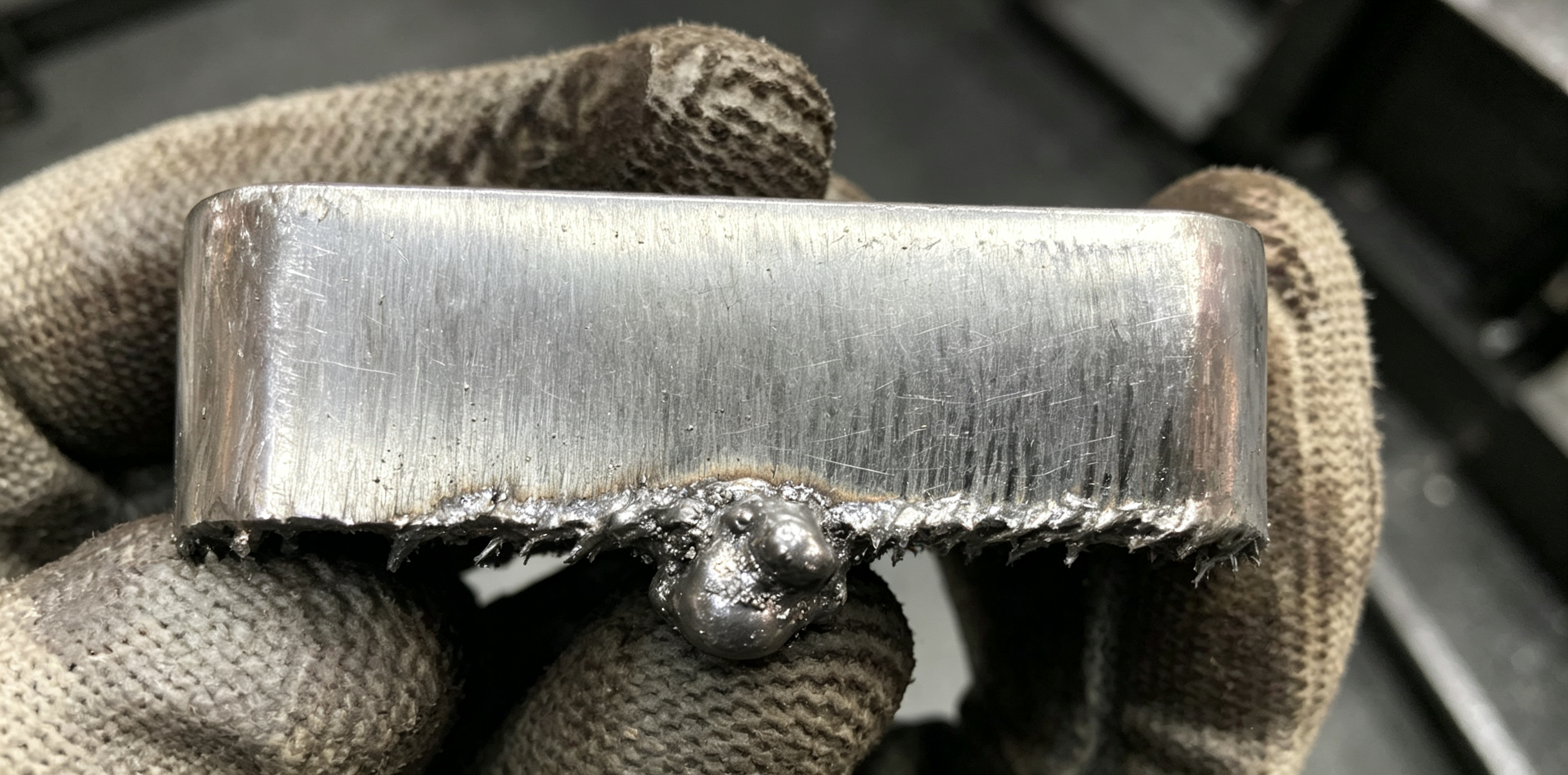
Why Does Thick Stainless Steel Produce Slag During Laser Cutting?
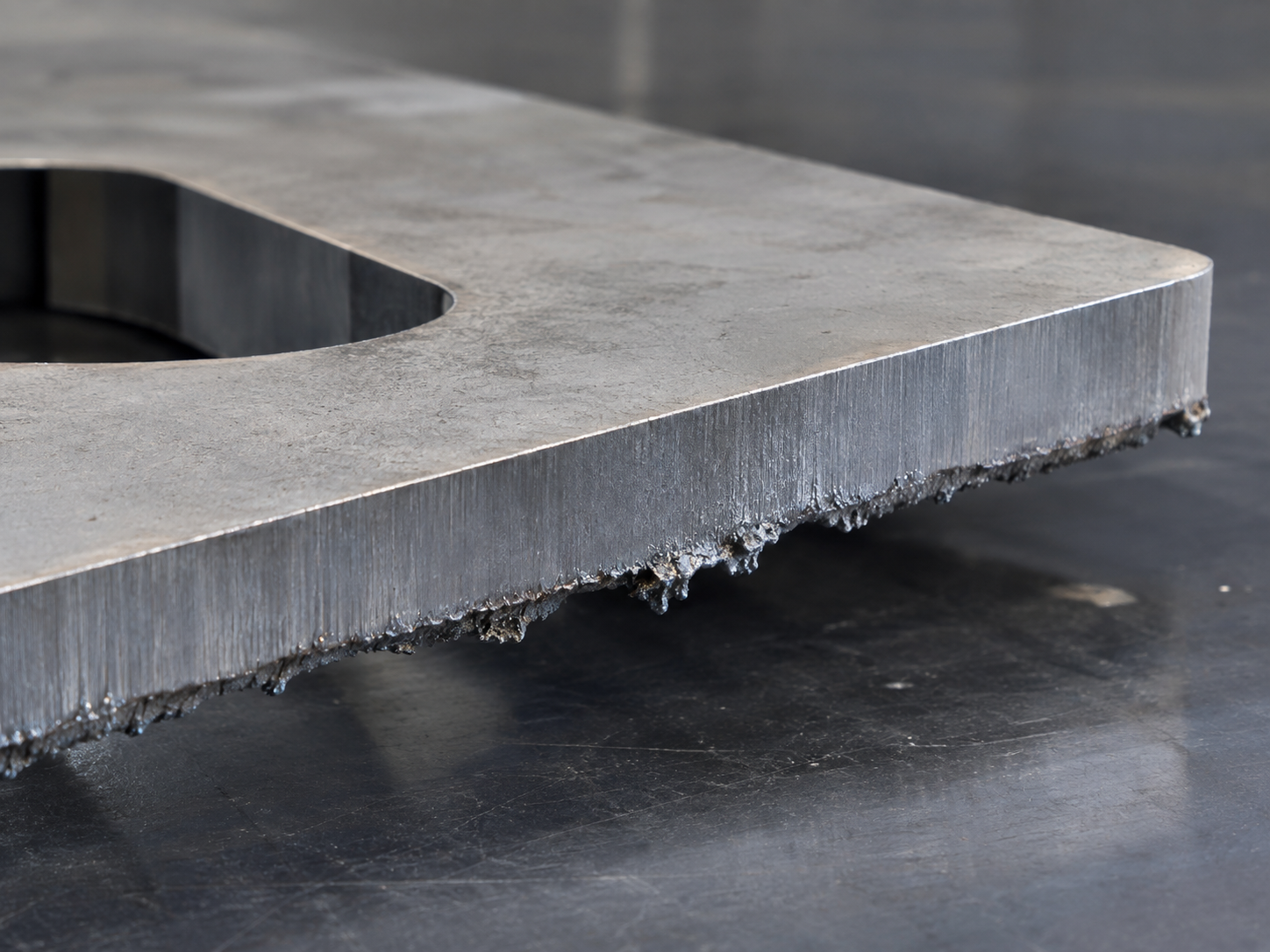
Slag, also called dross, is molten material that solidifies on the bottom or edge of the workpiece during laser cutting.
In thick stainless steel cutting, the laser needs to penetrate a greater material thickness while the molten metal must be efficiently removed from the kerf. If the cutting parameters are not properly matched, some molten material may remain on the lower edge and form slag.
Several factors can contribute to this problem.
1. Cutting Speed Is Too High or Too Low
Cutting speed has a direct effect on the interaction between the laser beam and the stainless steel.
If the speed is too high, the laser may not provide enough energy to completely penetrate the material, leaving molten metal on the bottom edge.
If the speed is too low, excessive heat can accumulate in the cutting area, increasing the amount of molten material and potentially worsening dross formation.
For thick stainless steel laser cutting, the cutting speed should be matched with laser power, material thickness, nozzle configuration and nitrogen pressure.
2. Insufficient Nitrogen Pressure
Nitrogen is commonly used as an assist gas when cutting stainless steel because it helps remove molten metal from the kerf while minimizing oxidation.
If the nitrogen pressure is too low, the gas flow may not effectively eject molten material from a thick plate. This can result in more dross, rougher edges and an unstable cutting process.
For this reason, nitrogen pressure is an important parameter in thick stainless steel cutting.
However, simply increasing gas pressure is not always the solution. Excessive pressure can also affect the cutting process. The optimal value depends on the material thickness, laser power, nozzle and cutting head configuration.
3. Incorrect Focus Position
The focus position determines how the laser energy is distributed through the thickness of the material.
If the focal position is not suitable for the specific thickness of stainless steel, the energy distribution inside the plate may become less effective. This can lead to incomplete penetration, rough edges and increased slag.
For thick materials, finding the appropriate focus position is particularly important for maintaining a stable kerf throughout the plate thickness.
4. Nozzle Condition and Alignment
The nozzle plays an important role in delivering nitrogen evenly to the cutting zone.
A damaged, contaminated or incorrectly aligned nozzle can result in uneven gas flow. This may reduce the efficiency of molten-metal removal and contribute to dross formation.
Before cutting thick stainless steel, operators should check:
• Nozzle condition
• Nozzle diameter
• Nozzle alignment
• Distance between the nozzle and workpiece
• Assist-gas flow
Keeping the cutting head properly maintained can help improve cutting consistency.
5. Laser Power Does Not Match Material Thickness
Thick stainless steel requires sufficient laser energy to achieve complete penetration.
When the available laser power is too low for the material thickness and cutting speed, the laser may struggle to maintain a stable cutting process.
A suitable combination of laser power, cutting speed, focus position and nitrogen pressure is therefore essential for thick stainless steel applications.
How to Improve Thick Stainless Steel Laser Cutting Quality?
Reducing slag is not usually achieved by changing just one parameter. It requires the laser cutting system and process parameters to work together.
Optimize Cutting Parameters
Start with the recommended cutting parameters for the specific stainless steel grade and thickness.
The main parameters to optimize include:
• Laser power
• Cutting speed
• Nitrogen pressure
• Focus position
• Nozzle diameter
• Nozzle-to-plate distance
Make small adjustments and evaluate the resulting cut edge rather than making large changes to multiple parameters at the same time.
Use High-Purity Nitrogen
For stainless steel laser cutting, nitrogen helps reduce oxidation and supports a clean cutting process.
Using an appropriate gas purity and stable gas supply can help maintain consistent cutting results, especially when processing thicker stainless steel plates.
Keep the Cutting Head Properly Maintained
Regular inspection of the nozzle, protective window and other cutting-head components is essential.
Contamination or damage can affect laser transmission and assist-gas delivery, which may lead to unstable cutting performance.
A clean and properly aligned cutting head helps maintain consistent processing conditions.
Choose the Right Laser Cutting System
As stainless steel thickness increases, the requirements for laser power, cutting head performance, gas delivery and machine stability also increase.
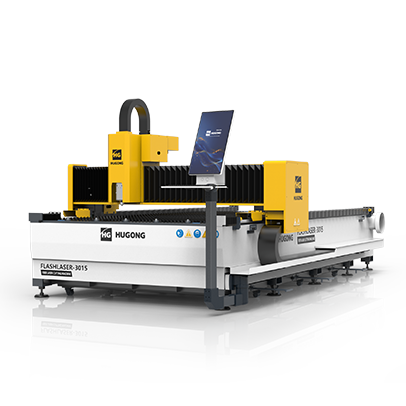
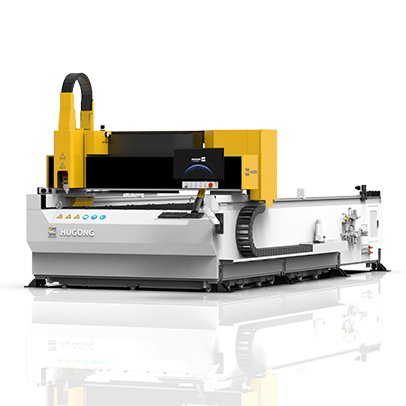
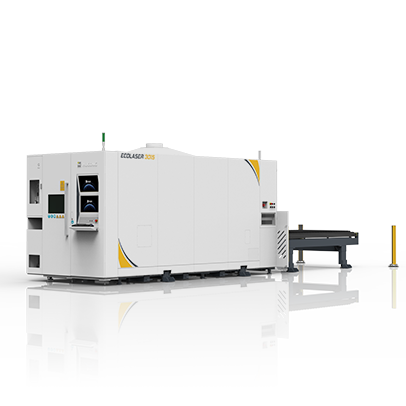
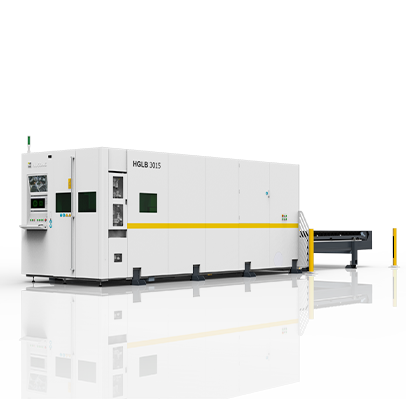
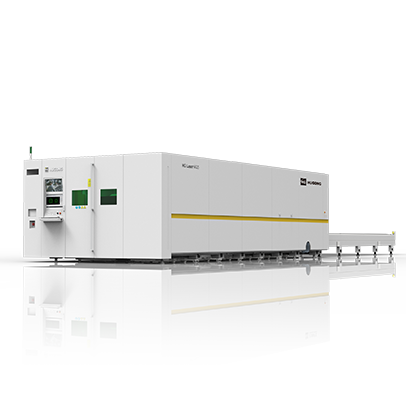
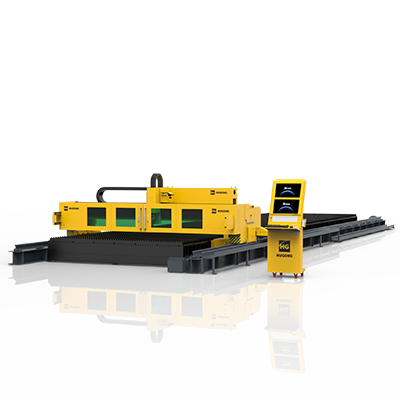
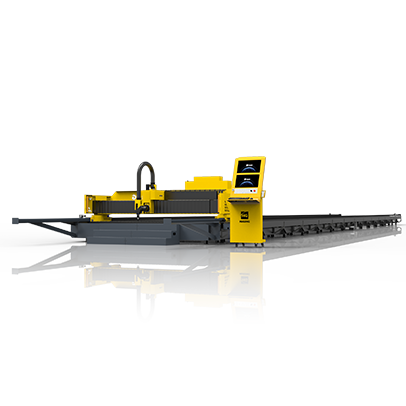
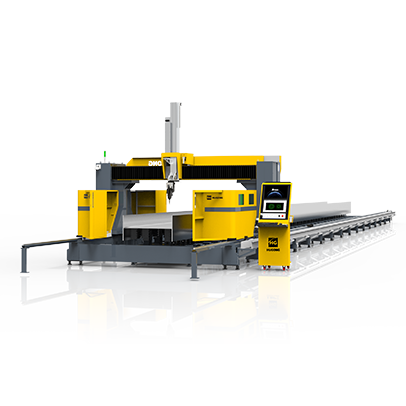
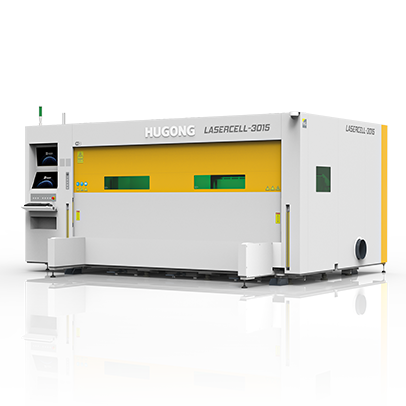
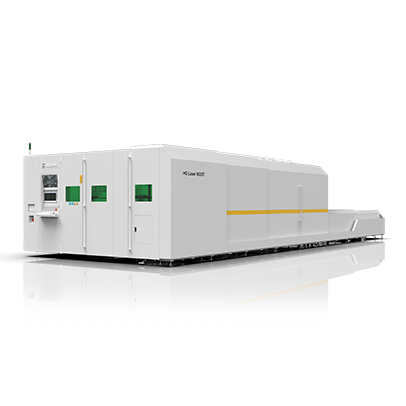
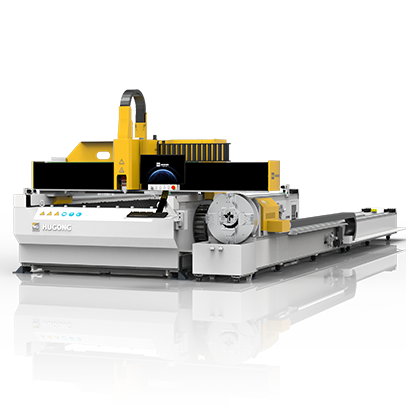
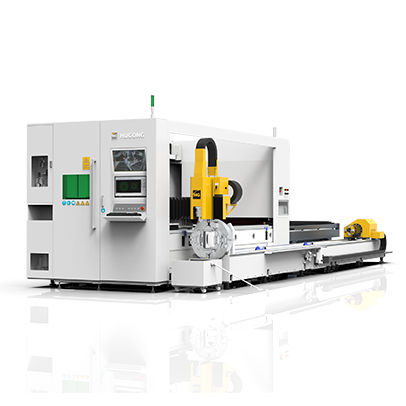
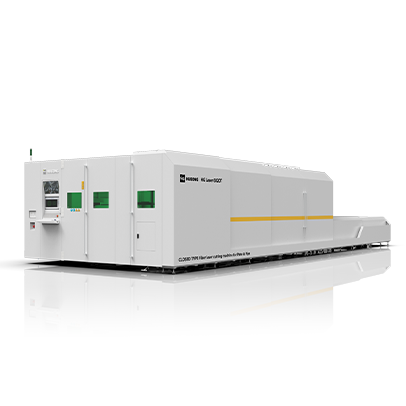
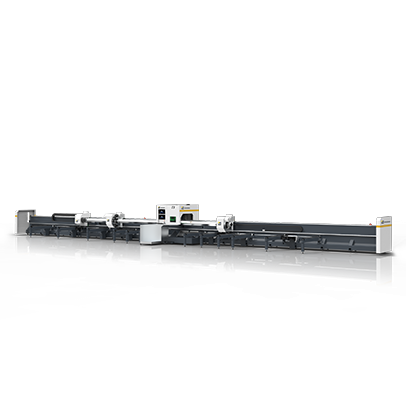
A high-power fiber laser cutting machine designed for heavy-plate applications can provide the energy and process stability required for thick stainless steel cutting.
Machine structure and motion accuracy are also important. Even with sufficient laser power, unstable machine movement or poor process control can affect the final cut quality.
How to Diagnose Slag on Thick Stainless Steel
When slag appears, checking the shape and location of the dross can provide useful clues.
| Cutting Problem | Possible Cause | What to Check |
|---|---|---|
| Heavy slag on the bottom edge | Insufficient energy or gas removal | Power, speed, nitrogen pressure |
| Rough cutting edge | Unstable cutting parameters | Focus, speed, gas pressure |
| Incomplete penetration | Insufficient laser energy | Laser power, focus, speed |
| Uneven cut quality | Gas flow or nozzle issue | Nozzle alignment and condition |
| Increased slag after long operation | Contamination or component wear | Nozzle and protective window |
This diagnostic approach can help operators identify the source of the problem instead of simply increasing laser power or gas pressure.
Key Factors for Clean Thick Stainless Steel Cuts
For stable thick stainless steel laser cutting, several factors should be considered together:
Laser Power + Cutting Speed + Nitrogen Pressure + Focus Position + Nozzle Condition + Machine Stability
Optimizing these parameters as a complete process is more effective than focusing on a single setting.
The goal is not simply to remove slag, but to achieve:
• Clean cutting edges
• Stable penetration
• Minimal dross
•Consistent cut quality
• Reduced secondary processing
• Higher production efficiency
Conclusion
Slag during thick stainless steel laser cutting is usually the result of an imbalance between laser energy, cutting speed, assist-gas flow and other process conditions.
By optimizing cutting parameters, maintaining the cutting head, ensuring stable nitrogen delivery and using a suitable high-power fiber laser cutting system, fabricators can significantly improve edge quality and reduce dross.
For manufacturers working with thick stainless steel, selecting the right fiber laser cutting machine is an important step toward achieving stable, efficient and high-quality production.
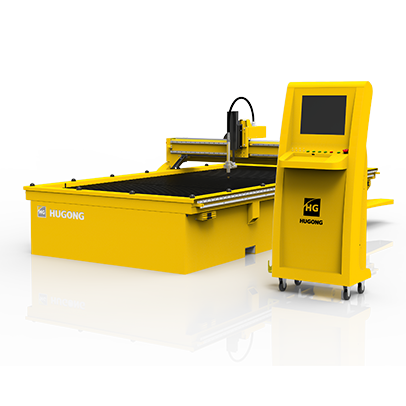
Looking for a reliable solution for thick stainless steel and heavy-plate laser cutting? Explore HUGONG's high-power fiber laser cutting solutions for demanding industrial applications.

 Address:7177 Waiqingsong Road.Qingpu District , Shanghai , PRC
 Post Code: 201700
 E-mail:sales@hugong.com
 Tel:0086-21-51211666
 Fax:+86-21-69715399