

.jpg)
.jpg)
As manufacturers around the world continue to pursue higher productivity, lower operating costs, and smarter production processes, high-power fiber laser cutting machines are rapidly replacing traditional cutting equipment across multiple industries.
From Europe and North America to Southeast Asia and the Middle East, the demand for automated laser cutting solutions is growing steadily. Companies are investing in modern fabrication technologies not only to increase production capacity but also to improve product quality while reducing labor dependency.
Global Demand for High-Power Laser Cutting Continues to Rise
The global metal fabrication industry is undergoing a significant transformation. Industries such as construction machinery, steel structures, shipbuilding, automotive manufacturing, energy equipment, and heavy engineering increasingly require thicker materials, faster processing speeds, and higher dimensional accuracy.
Traditional cutting methods often struggle to meet today's production requirements because they typically involve:
• Higher maintenance costs
• Slower processing speeds
• Larger heat-affected zones
• More secondary finishing
• Lower automation levels
In contrast, fiber laser cutting technology provides manufacturers with faster processing, cleaner edges, lower operating costs, and greater production flexibility.
As a result, high-power laser systems ranging from 12kW to 30kW are becoming one of the fastest-growing segments in the global laser equipment market.
Why Manufacturers Are Choosing High-Power Fiber Lasers
The biggest trend in today's fabrication industry is productivity.
Rather than purchasing multiple smaller machines, many manufacturers now prefer one high-performance laser system capable of processing a wide range of material thicknesses.
Modern high-power laser cutting machines offer several advantages:
• Faster cutting speeds on carbon steel, stainless steel, and aluminum
• Improved edge quality with less post-processing
• Lower cost per part
• Higher machine utilization
• Reduced labor requirements through automation
• Greater production flexibility for mixed-order manufacturing
• For companies facing increasing labor costs and shorter delivery times, these advantages directly translate into improved competitiveness.
Automation Is No Longer Optional
Another major trend reshaping the global laser cutting market is automation.
Manufacturers are increasingly integrating laser cutting machines with:
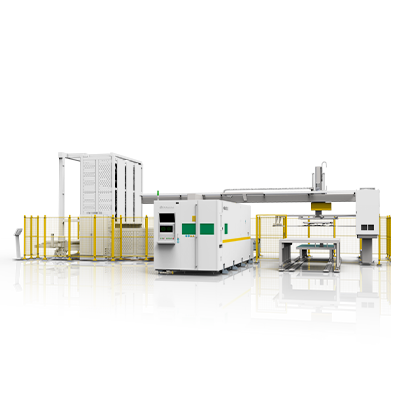
• Automatic loading and unloading systems
• Material storage towers
• MES and ERP production management systems
• Robotic material handling
• Remote monitoring and predictive maintenance
• These intelligent production lines help reduce downtime while improving production consistency.
• As Industry 4.0 continues expanding worldwide, customers are placing greater emphasis on equipment that supports digital manufacturing rather than standalone machines.
Safety and Precision Remain Key Purchasing Factors
While cutting speed often attracts attention, buyers today evaluate equipment based on long-term operational performance.
Key purchasing considerations include:
• Machine stability
• Cutting accuracy
• Safety protection
• Reliability during continuous production
• Maintenance efficiency
• Total cost of ownership
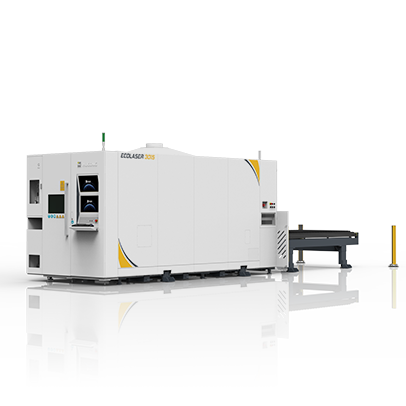
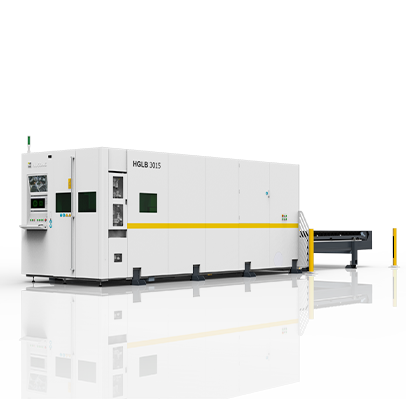
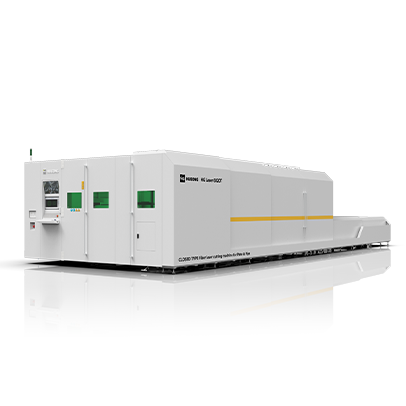
Fully enclosed laser cutting systems have become increasingly popular because they provide enhanced operator protection while helping maintain a cleaner working environment.
At the same time, high-rigidity machine structures and precision motion systems are essential for maintaining consistent cutting accuracy during long production cycles.
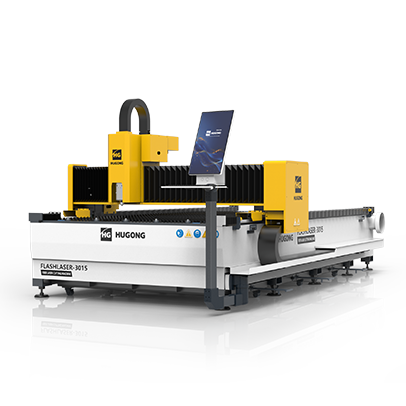
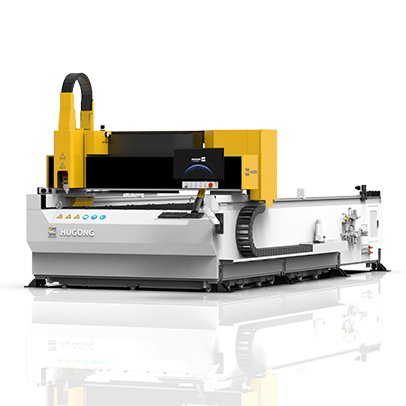
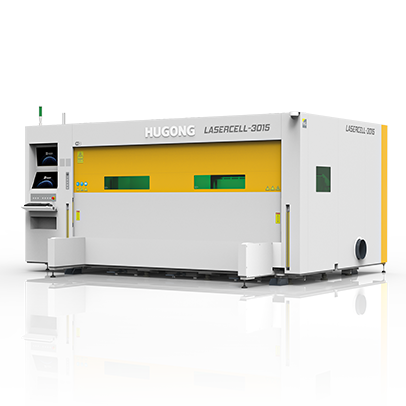
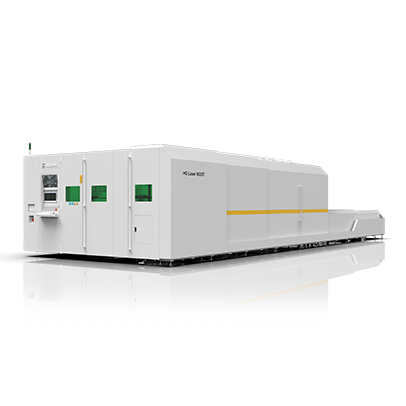
HUGONG HGLASER Series: Built for High-Power Production
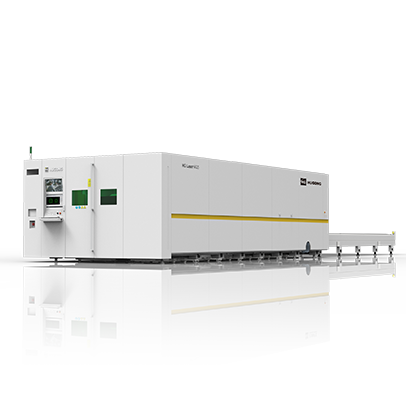
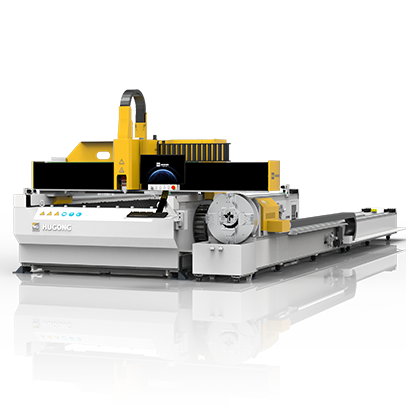
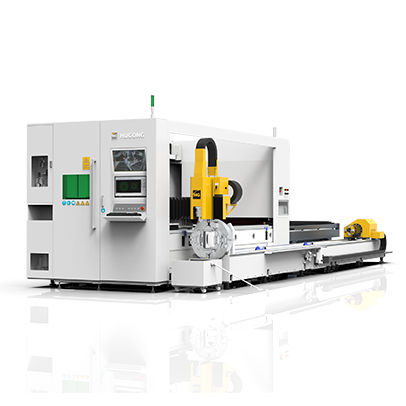
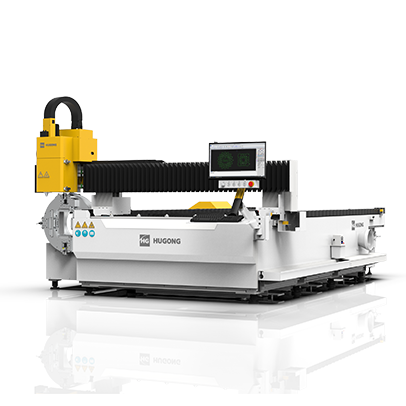
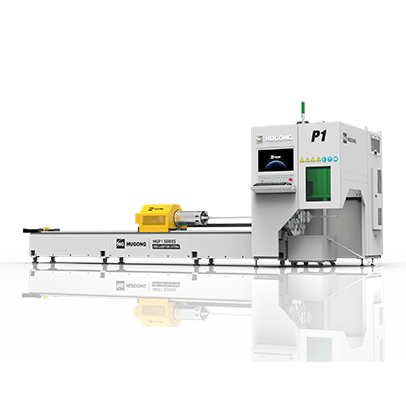
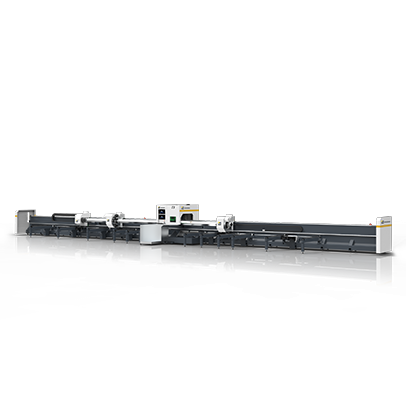
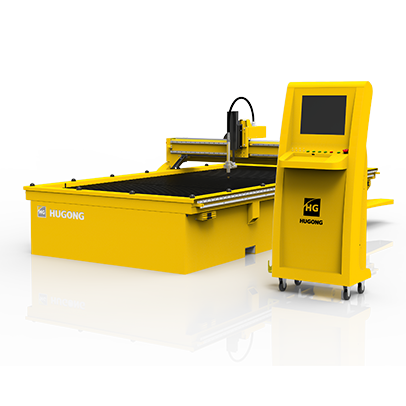
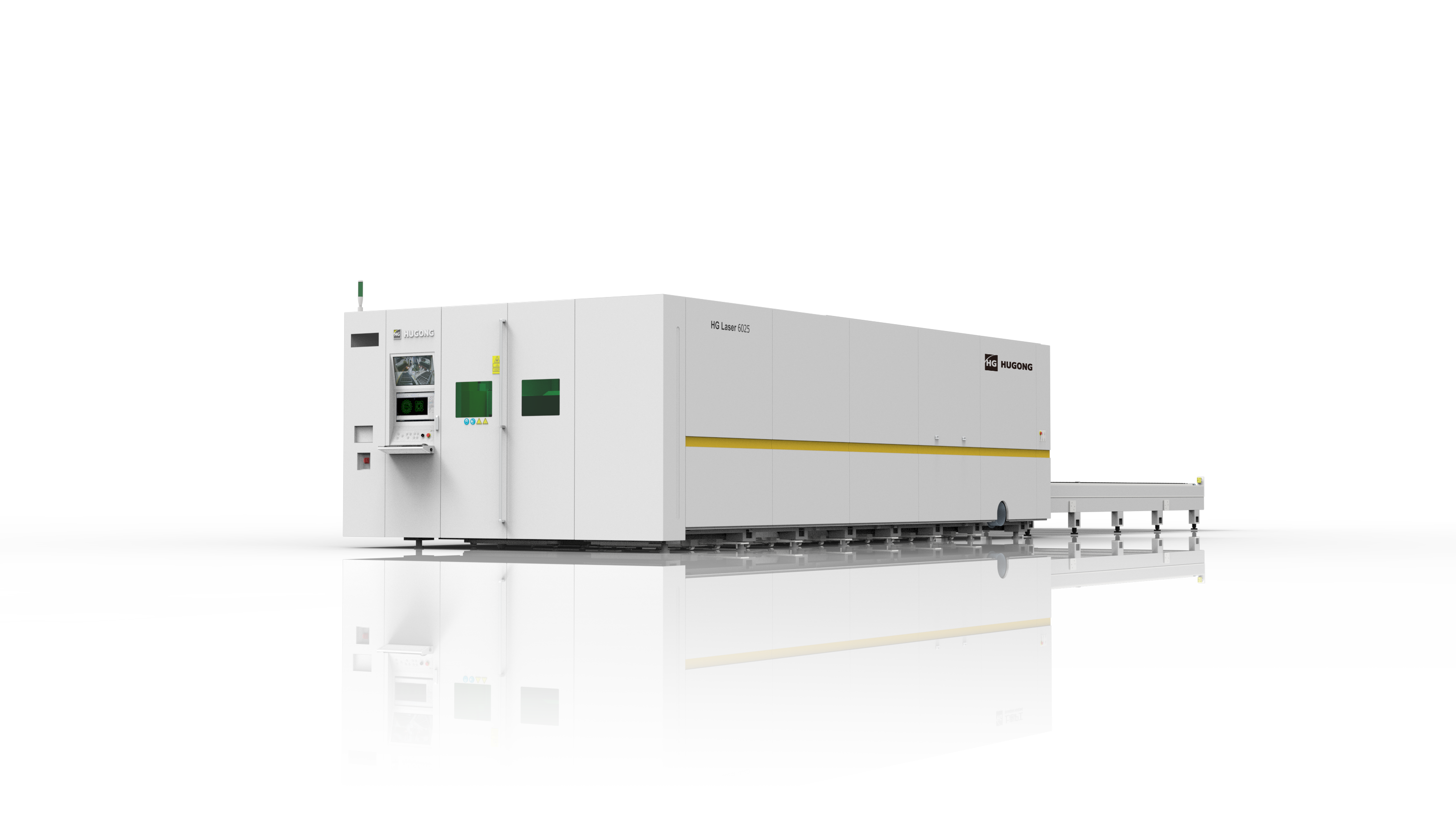
To meet the growing demand for high-efficiency metal fabrication, HUGONG offers the HGLASER Series Closed Type Fiber Laser Cutting Machine, designed for applications requiring both productivity and precision.
Supporting laser power options from 1.5kW up to 30kW, the HGLASER Series is suitable for a wide range of sheet metal processing requirements.
Its fully enclosed protective structure enhances workplace safety while helping maintain a cleaner operating environment.
Other key features include:
• Fully enclosed safety design with multiple protection interlocks
• High-strength machine frame optimized through finite element analysis
• Annealed steel structure for long-term accuracy and stability
• Horizontal exchange table with approximately 12-second exchange time to minimize idle time
• Compact integrated design that maximizes workshop space utilization
• Repeat positioning accuracy of ±0.03 mm
• Maximum linkage speed of 110 m/min
• Maximum acceleration of 1.0G
The HGLASER Series is available in multiple working sizes, including:
• 3000 × 1500 mm
• 4000 × 1500 mm
• 4000 × 2000 mm
• 6000 × 1500 mm
• 6000 × 2000 mm
• 6000 × 2500 mm
This flexibility allows manufacturers to select the configuration best suited to their production needs.
Looking Ahead
As global manufacturing continues moving toward automation, digitalization, and sustainable production, high-power fiber laser cutting machines will play an increasingly important role in improving efficiency and reducing manufacturing costs.
For businesses planning future investments, choosing equipment that combines high productivity, precision, safety, and scalability will be essential for remaining competitive in the years ahead.
The continued adoption of intelligent laser cutting solutions is not simply a technology upgrade—it represents a long-term strategy for building more efficient, flexible, and resilient manufacturing operations.

 Address:7177 Waiqingsong Road.Qingpu District , Shanghai , PRC
 Post Code: 201700
 E-mail:sales@hugong.com
 Tel:0086-21-51211666
 Fax:+86-21-69715399